Is San Luis Obispo the right fit for your next move? If you love small‑city charm, everyday access to beaches and trails, and a lively university vibe, you’ll feel at home here. At the same time, housing is competitive and costs are higher than the U.S. average, so smart planning matters. In this guide, you’ll learn what life looks like in SLO, how to get around, where to focus your home search, and what to know about local rules and logistics. Let’s dive in.
Climate and outdoor access
SLO enjoys a Mediterranean coastal climate with mild temperatures most of the year. Winters are cool and wetter, while summers are dry and comfortable. Coastal influence keeps extremes in check, and you’ll see morning fog near the coast in late spring and early summer. For seasonal planning, review official climate normals from the National Oceanic and Atmospheric Administration.
When you want to explore, you have options in every direction:
- Beaches: Avila Beach, Pismo Beach, and Morro Bay are easy day trips for surfing, kayaking, or a relaxed beach walk.
- Trails: Hike Bishop Peak, Cerro San Luis, and Irish Hills for panoramic views and sunset loops close to town.
- Wine country: Edna Valley’s tasting rooms and vineyard roads are minutes away, with events and itineraries from Visit SLO CAL.
- Farmers markets: The downtown Thursday night market is a community staple for local produce and ready‑to‑eat favorites.
The outdoors shape daily life here, so many buyers prioritize neighborhoods with quick access to open space or a short drive to the coast.
Daily life and culture
Downtown SLO centers on Higuera Street, with walkable blocks of coffee shops, restaurants, boutiques, and galleries. You get a small‑city pace with a vibrant calendar influenced by Cal Poly. Expect live performances, lectures, art shows, and game days throughout the year. To see what’s on, browse the Cal Poly events calendar and local listings via Visit SLO CAL.
Dining leans local and seasonal. You’ll find farm‑to‑table menus, casual coastal spots, breweries, and wine‑paired dinners. Grocery options include national chains and specialty markets, plus regular farmers markets.
Healthcare, city services, and everyday amenities are easy to reach within the city. For parks, recreation programs, and city facilities, start with the City of San Luis Obispo.
Getting around and commuting
U.S. 101 runs through SLO, linking you to San Luis Obispo County communities and south to Santa Barbara and the Los Angeles region. In‑city drives are typically short, often under 20 to 30 minutes depending on time of day. Traffic increases during peak tourist seasons and holiday weekends along the 101 corridor.
For regional trips, Amtrak’s San Luis Obispo stop connects to Southern California and the Bay Area. Check routes and schedules with Amtrak. If you fly, the San Luis Obispo County Regional Airport (SBP) offers service to several major hubs. Review current destinations and carriers at the San Luis Obispo County Regional Airport.
If you prefer to leave the car at home, SLO has a compact downtown and bike‑friendly streets in many neighborhoods. City buses and regional routes support daily commutes, with student demand shaping peak service. Plan routes with SLO Transit and the city’s transit resources at slocity.org.
Jobs, economy, and lifestyle fit
Cal Poly is a major economic anchor, and you’ll also see employment in government, healthcare, hospitality, wine and agriculture, and professional services. The university’s calendar brings seasonal energy to downtown and the rental market. Wages and costs trend above national averages, so it helps to align your budget with your housing goals.
Who tends to thrive here?
- Families who want parks, community events, and a small‑city feel.
- Cal Poly faculty and staff who value short commutes.
- Remote professionals who prioritize quality of life and easy regional travel.
- Retirees who want mild weather and access to care and recreation.
- Savvy buyers and investors who understand local rules for rentals.
Housing and neighborhoods
SLO’s housing stock is diverse and reflects its history and growth patterns. Limited developable land and protected open space shape supply and long‑term pricing. Inventory can be tight in popular areas, so preparation and timing matter.
Home types you will see
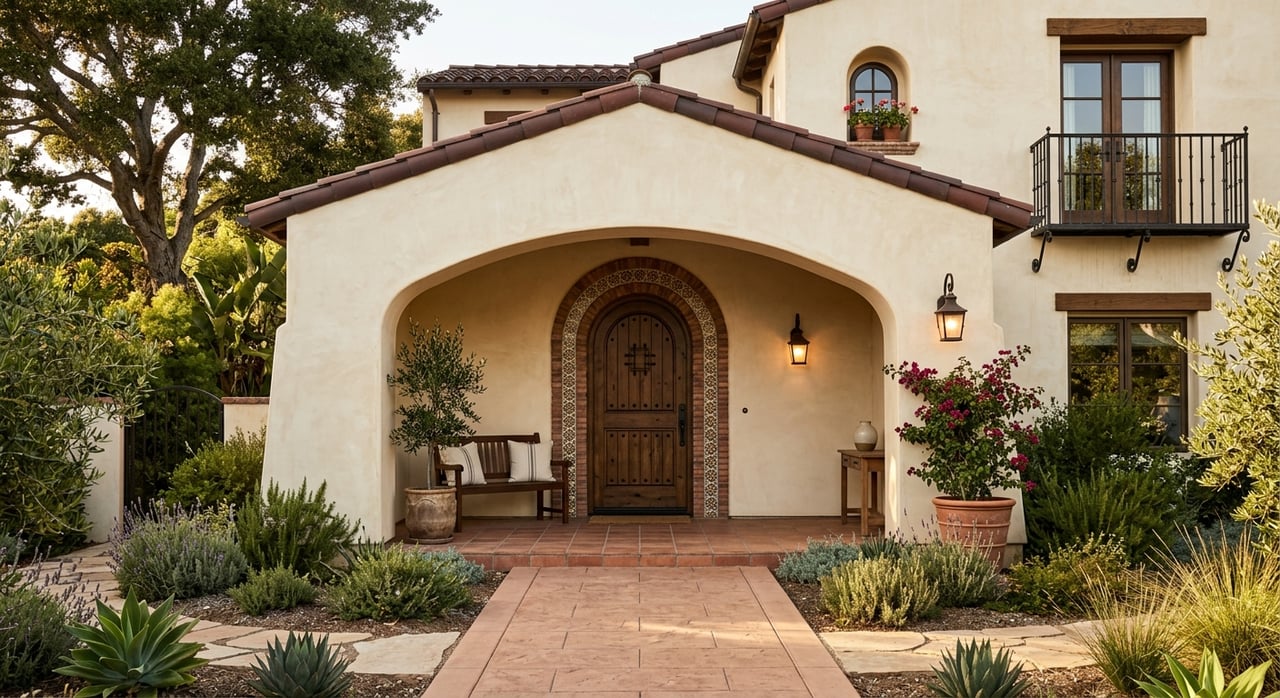
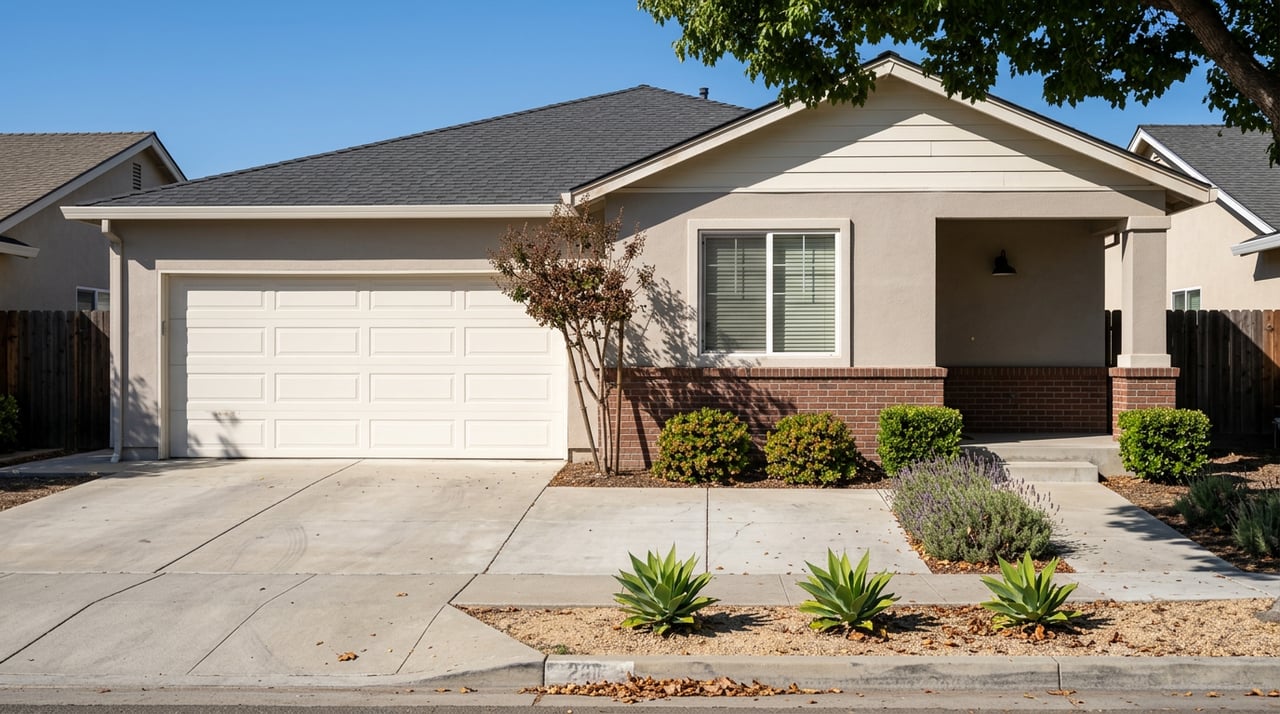
- Single‑family homes: Craftsman, mid‑century ranch, Spanish/Mediterranean, and contemporary designs.
- Historic cottages: Victorian and early‑20th‑century homes in older neighborhoods near downtown.
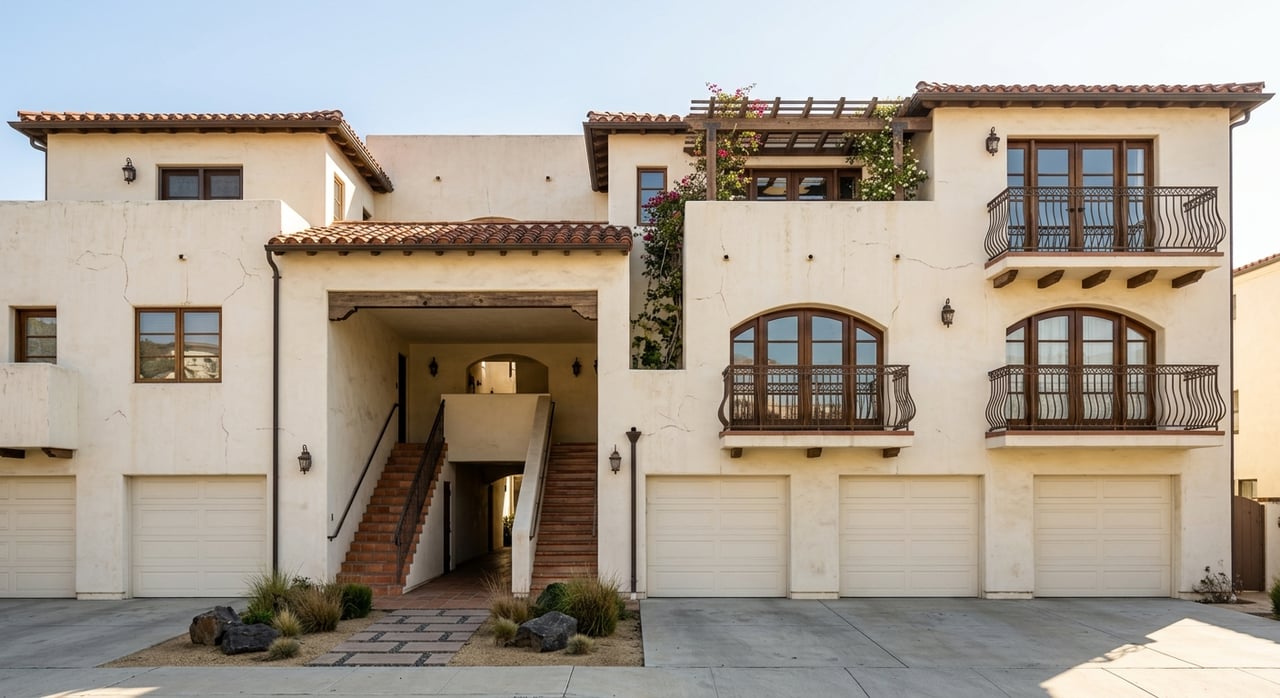
- Condos and townhomes: Options near downtown and along key corridors for lower‑maintenance living.
- Multi‑unit properties: Closer to the university and core, with high rental demand and seasonal dynamics.
For a snapshot of current pricing, inventory, and days on market, consult the San Luis Obispo County Association of REALTORS or your agent for the latest local MLS data.
Neighborhood snapshots
- Downtown and Old Town: Walkable living near shops, dining, and events. Expect a mix of historic homes and newer condos.
- Foothill and Madonna areas: Near Bishop Peak and Cerro San Luis trailheads, with a range of home ages and styles.
- Broad Street and Johnson Avenue corridors: Established residential streets with convenient access to services and parks.
- Newer edges of town: Contemporary builds, sometimes with larger lots and modern layouts.
- Nearby towns: Arroyo Grande, Pismo Beach, Atascadero, Morro Bay, and others offer different price points and settings.
Each micro‑market has trade‑offs. Walkability may mean smaller lots and older homes, while outer neighborhoods can offer more space with a car‑centric routine.
Renting vs. buying
SLO’s rental demand is strong, influenced by the university and tourism cycles. That can mean seasonal swings in availability and pricing. If you plan to invest or house‑hack, it is essential to understand local short‑term rental rules and student‑cycle timing.
Buying requires preparation in a competitive market. Most buyers succeed by getting pre‑approved early, focusing their search, and moving quickly on the right property. Ask your lender about local loan limits and any employer‑related lending programs.
Rules and planning basics
SLO balances growth with open‑space protections, which can affect new construction and remodeling timelines. If you are exploring vacation rentals or additions, review city and county rules early in your planning. Start with the City of San Luis Obispo for planning and municipal code resources, and consult a local professional for current permitting requirements.
For school boundaries and performance data, rely on district and state sources. Explore the San Luis Obispo Unified School District and the California Department of Education for neutral, up‑to‑date information.
Practical moving checklist
Use this quick list to budget and plan with confidence:
- Housing costs: Get current median prices, inventory, and days on market from the local REALTOR association or your agent.
- Commute test: Drive your likely routes at typical times and check alternatives by rail with Amtrak.
- Airport access: Confirm nonstop destinations and flight frequency at SBP.
- Utilities and internet: Confirm providers and costs by address. Electricity is commonly PG&E; internet options can include Spectrum or AT&T in parts of the city. The City of San Luis Obispo is a good starting point for utility contacts.
- Insurance and inspections: Ask about wildfire risk, hillside stability, and standard inspections. Budget for appropriate coverage.
- Schools: Verify attendance zones and programs with SLCUSD and the California Department of Education.
- Seasonality: Plan moves around summer and university calendar peaks to reduce competition for rentals and movers.
How we help you relocate
Finding the right home in SLO is part local knowledge, part timing, and part strategy. You get all three with a boutique team backed by global marketing reach. We tailor your search to lifestyle needs, preview neighborhoods for fit, coordinate lenders and inspections, and negotiate with clarity so you can move forward with confidence.
If you are selling, we combine staging, pro photography, and targeted exposure to showcase your home’s strengths and reach qualified buyers.
Your next step
Whether you are comparing neighborhoods or ready to tour homes, we are here to help you make a smart move. Connect with the Campa Real Estate Group to talk through your goals and map a plan.
FAQs
Is San Luis Obispo affordable compared to other areas?
- Costs are higher than the U.S. average and vary by neighborhood; check current median prices and inventory with the local REALTOR association and your lender for a realistic budget.
What is the climate like in San Luis Obispo?
- Mild and coastal with cool, wetter winters and dry summers; review seasonal norms from the National Oceanic and Atmospheric Administration to plan for temperature and rainfall.
How do I commute in and around SLO?
- Most in‑city commutes are short; regional travel is anchored by U.S. 101, rail via Amtrak, and flights from the San Luis Obispo County Regional Airport.
What kinds of homes are common in SLO?
- You will see craftsman and mid‑century ranch homes, Spanish/Mediterranean styles, historic cottages, contemporary builds, and condos/townhomes across different neighborhoods.
Can I run a short‑term rental in SLO?
- Rules exist for short‑term rentals and can change; review current ordinances and permit steps with the City of San Luis Obispo and consult local professionals before you invest.
How do I research schools in San Luis Obispo?
- Use neutral sources like the San Luis Obispo Unified School District and the California Department of Education for boundaries and performance data.