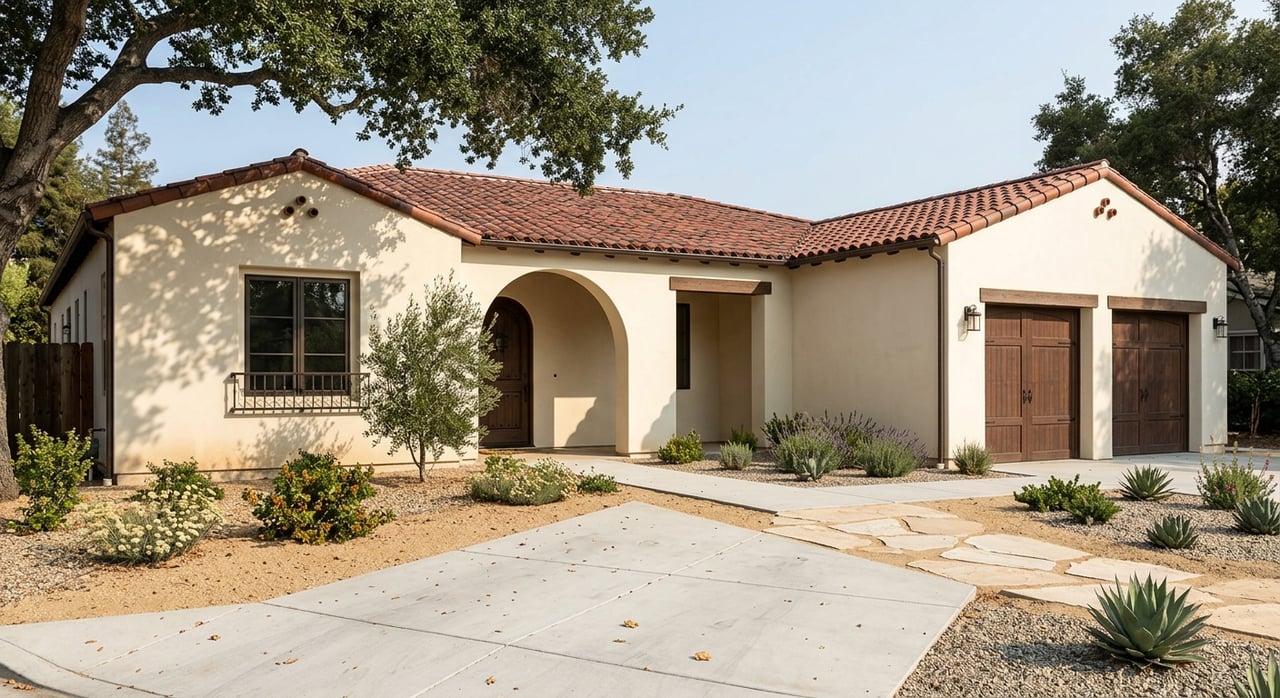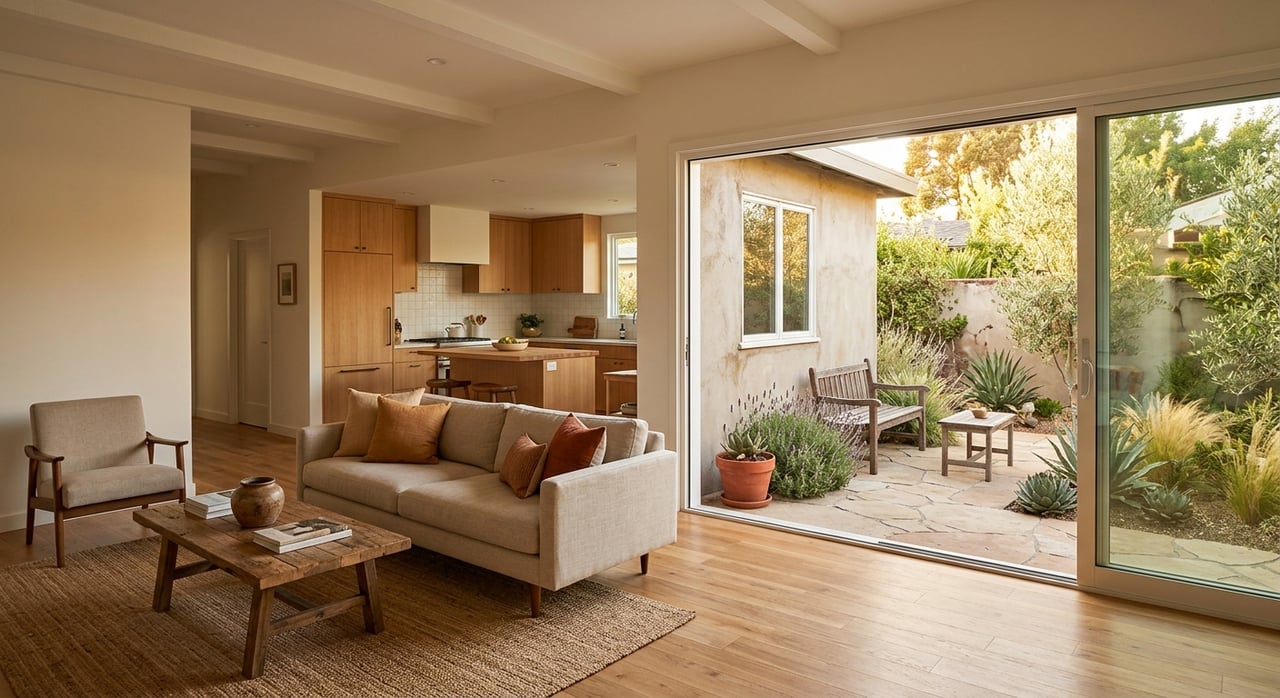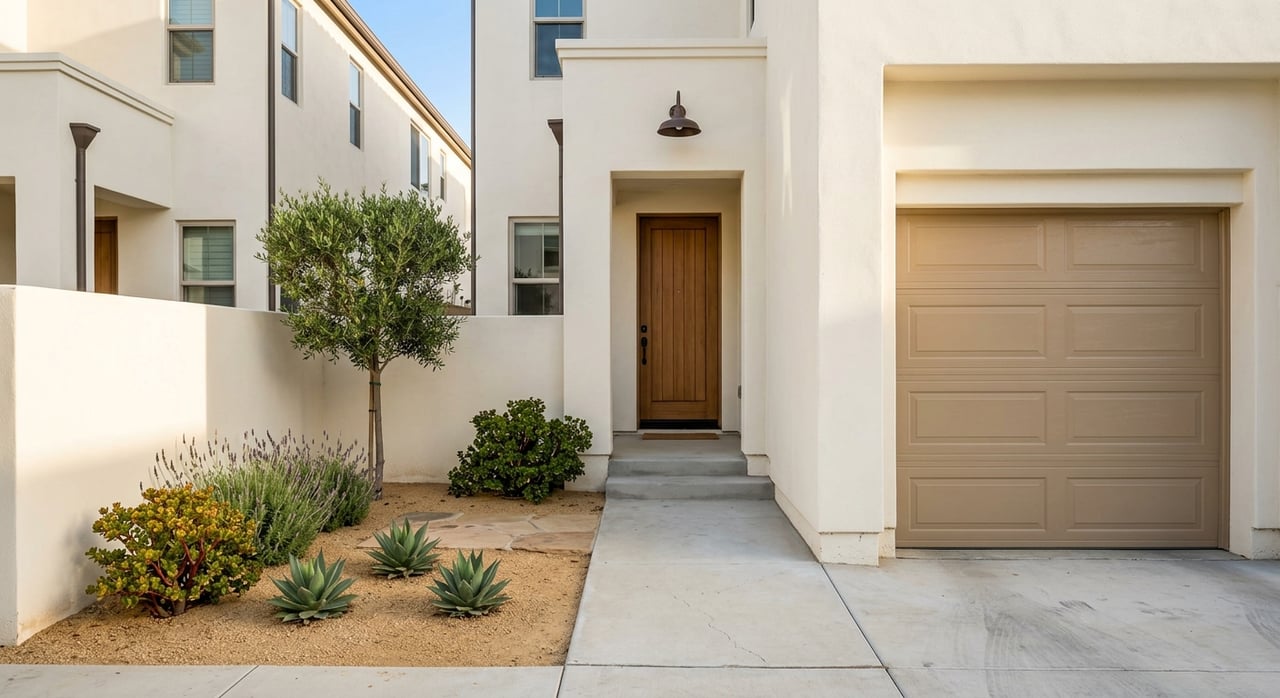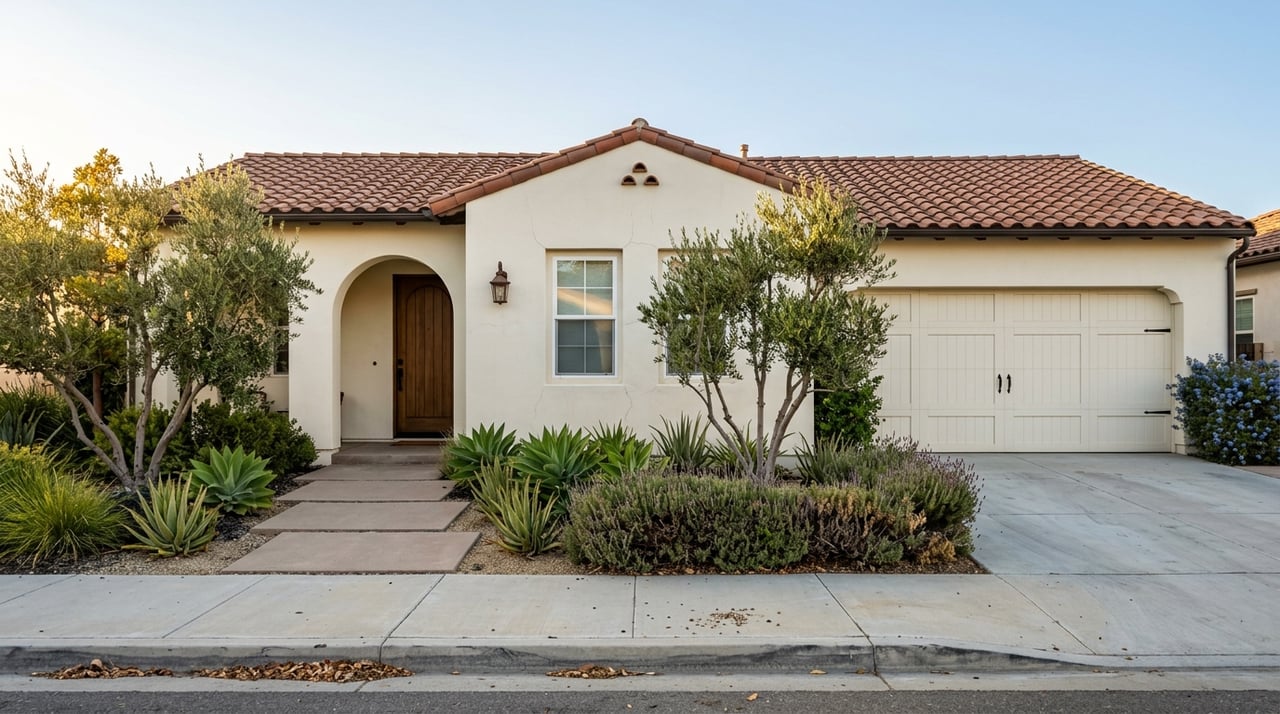
Choosing where to live in Paso Robles often comes down to one simple question: do you want everyday convenience or more room to spread out? If you are planning a move here, that choice can feel bigger than it looks on paper because in-town living and wine-country living create very different day-to-day routines. This guide will help you compare both sides of Paso Robles so you can think through lifestyle, upkeep, and what may fit you best. Let’s dive in.
Why Paso Robles Feels Like Two Markets
Paso Robles is often experienced as a split market. On one side, you have a city setting with a downtown core, local transit, and a mix of housing types. On the other, you have the vineyard-lined rural areas that many people picture when they think of Paso Robles Wine Country.
The city describes Paso Robles as a rural and suburban community of more than 30,000 people. The surrounding wine region includes more than 200 wineries spread across backroads and around the historic downtown area. In practical terms, the choice is often between easier access to services and errands versus more land, privacy, and a rural routine.
In-Town Paso Robles at a Glance
If you want a more connected daily lifestyle, in-town Paso Robles often stands out. The downtown area is centered around City Park, with restaurants, shopping, and nearby public amenities that support a compact, errand-friendly routine.
The city also has transportation options that make in-town living more manageable without relying on your car for every trip. Paso Express Routes A and B run within the city, Dial-A-Ride serves city limits, and Route 9 connects Paso Robles with Templeton, Atascadero, and San Luis Obispo. The North County Transit Center at 8th and Pine also serves as the local transit hub and Amtrak stop.
What daily life may feel like
Living in town can make simple tasks easier. You may be closer to shopping, dining, parks, and local services, and some errands may take less planning than they would on a rural property.
That does not mean every in-town area feels the same. Still, the overall pattern is a more compact lifestyle with easier connections between neighborhoods, downtown, and transit.
Housing types in town
In-town Paso Robles offers more variety than many buyers expect. The Uptown/Town Centre Specific Plan includes housing forms such as single dwellings, carriage houses, rear-yard units, duplexes, triplexes, quadplexes, rowhouses, live-work buildings, and courtyard housing.
That range can matter if you want options beyond a traditional detached home on a larger lot. It also supports a more walkable and connected neighborhood pattern, with links between housing, commercial areas, transit, walking, and bicycling.
Utilities and ownership simplicity
For many buyers, one of the biggest advantages of living in town is simpler utility service. The city’s municipal water system serves about 9,200 residential customers, and city billing covers water and sewer service.
That setup can reduce some of the private-system questions that often come with rural ownership. If you prefer a home with fewer site-specific infrastructure variables, in-town living may feel more straightforward.
Wine Country Living at a Glance
If your vision of Paso Robles includes open views, vineyard surroundings, and more privacy, wine-country living may be the better fit. The area is described as a rural, vineyard-based region with more than 200 wineries, tasting rooms, and events spread across the landscape.
That setting tends to feel more destination-oriented than downtown. You may trade quick access to daily services for more scenery, larger parcels, and a quieter rural rhythm.
What daily life may feel like
Wine-country living often appeals to buyers who want space and a stronger connection to the surrounding land. A rural property may offer a different sense of arrival, with backroads, broader views, and more separation from neighbors.
At the same time, daily routines usually require more driving and planning. Based on the city transit network and county service structure, rural areas are generally more car-dependent and less walkable than in-town locations.
Water matters more in rural areas
Outside city service boundaries, water can become a major part of your buying decision. San Luis Obispo County notes that if a property is outside water purveyor boundaries, it will likely require a private groundwater well.
The county also notes that private well water is not regulated or monitored by an outside agency or company. That makes it especially important to verify the water source, review available records, and ask questions early in the buying process.
Septic and wastewater matter too
Wastewater is another major difference between town and country. The county’s onsite wastewater treatment program applies to unincorporated areas and is intended to protect groundwater and surface water.
For many rural buyers, that means septic due diligence is a bigger part of the purchase process than it would be for a city-connected home. Understanding the system, its condition, and any related requirements can be a key step before you move forward.
In-Town vs Wine Country: Key Differences
If you are trying to narrow your search, it helps to compare the two settings side by side.
| Factor | In-Town Paso Robles | Paso Robles Wine Country |
|---|---|---|
| Daily errands | Often easier, especially near downtown | Usually requires more driving |
| Transit access | Local routes, Dial-A-Ride, regional connections | More limited, more car-dependent |
| Housing pattern | Mix of housing types and neighborhood forms | Larger parcels and more rural settings |
| Utilities | City water and sewer service are common | Private well and septic may apply |
| Lifestyle feel | More compact and connected | More private and scenic |
| Ownership considerations | Often simpler utility setup | More site-specific due diligence |
Which Option Fits Your Lifestyle?
There is no one right answer here. The better fit depends on how you want to spend your time and what kind of ownership experience feels comfortable to you.
In-town may fit you if you want convenience
If you value shorter errand runs, easier access to downtown, and a property with city utility connections, in-town Paso Robles may be the stronger match. It can also be a good option if you want more housing-type flexibility or prefer a more connected neighborhood layout.
This setting often works well for buyers who want a simpler day-to-day routine. If convenience is high on your list, town is usually easier to live in.
Wine country may fit you if you want space
If you are drawn to land, privacy, and a more rural atmosphere, wine country may be worth the extra complexity. Buyers who want views, a quieter setting, or a property that feels more tucked away often start their search here.
The trade-off is that rural ownership usually asks more of you. Water, wastewater, access, and general property maintenance may all deserve closer review.
Budget and Cost Structure
Paso Robles home values and sale prices vary by location, lot size, and property setup, but broad late-May 2026 market snapshots place typical values around the high-$700,000 range. Zillow reports an average home value of $778,431, while Redfin reports a median sale price of about $779,533.
The city’s housing element also notes that land costs in single-family neighborhoods varied widely during the study period, ranging from $88,710 to $1.8 million per acre. It also states that lot size, location, amenities, and proximity to sewer influence cost.
That helps explain why a smaller in-town property and a larger rural parcel may not be directly comparable, even when they seem close in price. The cost structure can be very different once you factor in land, utility setup, and long-term maintenance.
What Buyers Should Ask Before Choosing
Before deciding between in-town and wine-country living, it helps to ask a few practical questions:
- How often do you want to drive for daily errands?
- Do you want city water and sewer, or are you comfortable evaluating well and septic systems?
- Is privacy more important to you than convenience?
- Do you want a compact neighborhood setting or a larger parcel?
- How much ongoing property maintenance feels reasonable for your lifestyle?
These questions can quickly bring clarity to your search. In Paso Robles, the best home is not just about the house itself. It is also about how the setting supports the way you want to live.
What Sellers Should Keep in Mind
If you are selling in Paso Robles, this same in-town versus wine-country distinction can shape how your home is presented. In-town homes are often understood through convenience, downtown access, transit connections, and neighborhood form.
Rural properties are usually evaluated through acreage, views, access, and the status of water and wastewater systems. That means your marketing strategy should match the way buyers actually compare these properties in the local market.
If you are thinking about buying or selling in Paso Robles, working with a local team that understands both in-town neighborhoods and rural property details can make the process much smoother. Campa Real Estate Group offers personalized guidance across San Luis Obispo County, from in-town homes to wine-country and land properties.
FAQs
Is in-town Paso Robles easier for everyday errands?
- Yes. In-town Paso Robles is usually easier for errands because downtown includes shopping, restaurants, and public amenities in a compact area.
Does wine-country Paso Robles usually mean more driving?
- Yes. Rural areas are generally more car-dependent because services and transit are centered more around the city of Paso Robles.
Are utilities different in Paso Robles city versus rural areas?
- Yes. In-town homes often have city water and sewer service, while rural properties may rely on private wells and onsite wastewater systems.
What types of homes can you find in-town Paso Robles?
- In-town Paso Robles includes a range of housing types such as single dwellings, duplexes, triplexes, quadplexes, rowhouses, live-work buildings, carriage houses, and courtyard housing.
What should buyers verify on a rural Paso Robles property?
- Buyers should look closely at the water source, available well information, wastewater setup, and other property-specific maintenance factors early in the process.
Is Paso Robles wine country better for land and views?
- Often, yes. Wine-country properties usually offer a more rural setting with larger parcels, more privacy, and broader scenic surroundings.