Thinking about buying in Paso Robles for rental income, personal use, or both? You are not alone. This part of San Luis Obispo County attracts buyers who see the appeal of wine country, steady local housing demand, and the chance to own a property that can fit more than one goal. The key is knowing which investment path is actually realistic before you buy. In this guide, you will learn how Paso Robles works as a hybrid market, what rental options may make sense, and where local rules can change your numbers fast. Let’s dive in.
Why Paso Robles Stands Out
Paso Robles is not a large metro market, but it is active and distinct. The city has 31,490 residents, a median household income of $92,228, an owner-occupied housing rate of 61.3%, and a median gross rent of $1,981 based on 2020 to 2024 ACS estimates. That points to meaningful rental demand, even if the market is not as deep as a major city.
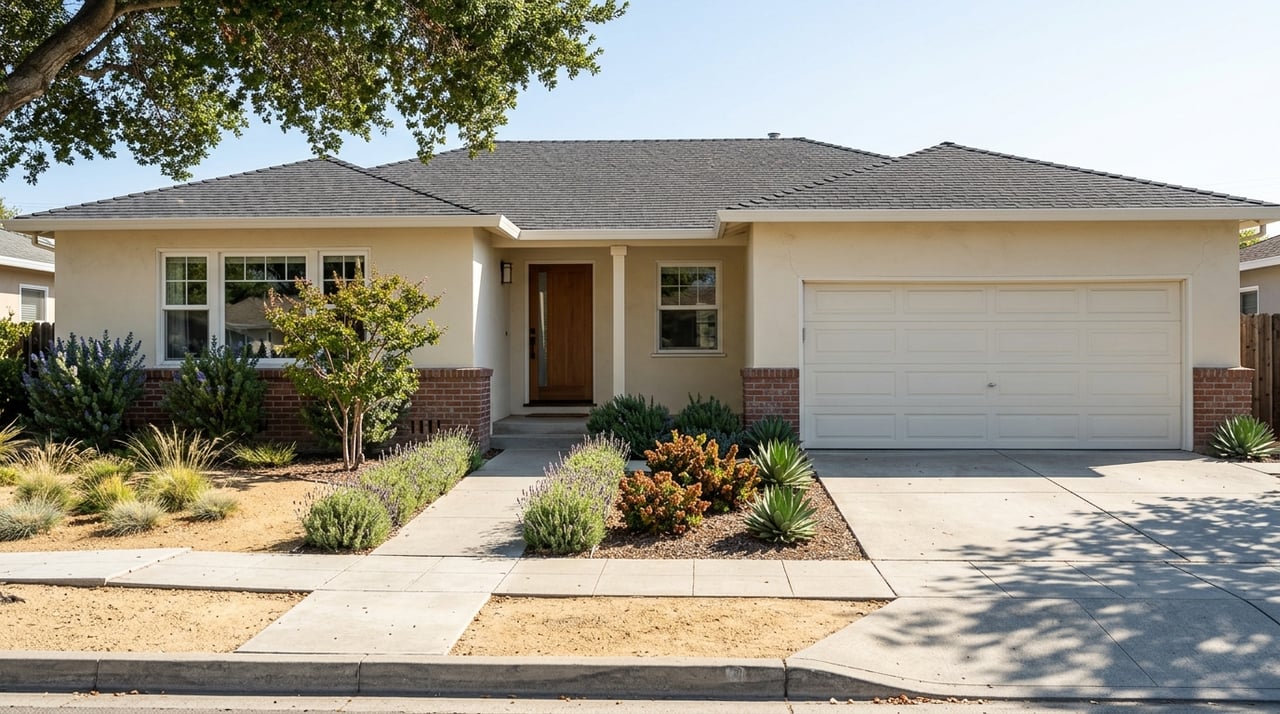
Housing stock also shapes the investment picture. About 78% of housing units are single-family homes, while 20% are multifamily and 2% are mobile homes. For many buyers, that means detached homes remain the most common product type you will evaluate.
Supply matters too. Paso Robles reported a 1.9% rental vacancy rate in 2018, with overall vacancy at 3.9%, which the city described as below a healthy 4% to 5% range. In simple terms, that supports the idea of a relatively tight in-town rental market.
Paso Robles Is a Hybrid Investment Market
One of the biggest mistakes buyers make is treating Paso Robles like a pure vacation rental market or a pure long-term rental market. It is really both, plus a lifestyle market. That mix is what makes the area appealing, but it also means your strategy needs to match the property and the location.
Tourism is a major part of the local economy. The city says more than 2.5 million visitors come annually, tourism supports 3,424 local jobs, and visitor spending generated $467.6 million in economic output in 2023. Tourism also funds nearly 37% of the city’s General Fund, which shows how important visitors are to the area.
Wine country adds another layer. A 2025 study cited by the Paso Robles Wine Country Alliance found $2.8 billion in total economic impact and 8,900 jobs in the AVA region. For you as a buyer, that means wine-country homes may carry lifestyle value, second-home appeal, and some income potential, but not always in the same proportion.
Long-Term Rental Demand in Paso Robles
If you are looking at a long-term rental, Paso Robles has a practical demand base. Likely tenant pools include households tied to hospitality, health services, public-sector work, agriculture, and the trades. San Luis Obispo County’s June 2025 labor report showed 20,300 jobs in leisure and hospitality and 19,300 jobs in private education and health services.
The city’s housing planning also notes that new rental housing helps meet the needs of the year-round farmworker population. That is another reason local rental demand is not tied only to tourism. There is a year-round workforce base behind the numbers.
Education also supports demand. Paso Robles has Cuesta College’s North County campus and sits about 30 minutes from Cal Poly in San Luis Obispo. That can help support demand from students, staff, and younger professionals looking for housing in North County.
What Long-Term Investors Should Notice
Long-term rentals often offer a simpler business model than short-term rentals in Paso Robles. You are generally underwriting steady occupancy and more predictable turnover rather than nightly pricing and active hospitality-style operations. In a market with tighter rental supply, that can be attractive.
That said, long-term ownership is not hands-off. California statewide tenant protections apply to many properties intended for long-term lease. According to the California Attorney General, most California properties more than 15 years old are subject to a statewide rent cap of 5% plus inflation or 10% total, whichever is lower, and just-cause notice rules may apply after the statutory occupancy thresholds.
For many investors, the takeaway is clear. Long-term rentals may be more predictable than short-term rentals from a licensing perspective, but you still need careful lease and notice practices.
Short-Term Rentals Are More Complex
Paso Robles can look ideal for a vacation rental on paper. Visitor traffic is strong, wine-country travel is well established, and the city has broad destination appeal. But local rules create a much different reality than many buyers expect.
Inside the city, any rental of less than 30 days requires a short-term rental permit. The city’s short-term rental dashboard, last updated March 2, 2026, showed 406 permits issued and 79 properties on the waitlist. It also states that non-hosted short-term rental permits are at capacity, while homeshare permits have no numeric cap.
That distinction matters a lot. A non-hosted rental is a whole-unit vacation rental where the owner is not on site. A homeshare means the owner remains on site during the rental.
City Rules You Need to Understand
If you are buying within Paso Robles city limits, you should pay close attention to how the city treats different property uses.
Key points include:
- Rentals of less than 30 days require a permit
- A business license is also required
- Non-hosted permits are capped and currently waitlisted
- Homeshare permits are not subject to the same numeric cap
- Permit rules include occupancy and parking limits based on bedroom count
- A 24/7 hotline contact must be able to respond within 30 minutes
- The city may inspect for cause with 24 hours’ notice
- Short-term rental use stops upon transfer of ownership, expiration, or revocation
That last point is especially important when you are buying. You should not assume an existing short-term rental permit will transfer with the sale.
Property Type Limits Matter
The city also limits which property types may be used for certain short-term rental models. Homeshare permits may be allowed for primary dwellings, second units, guest houses, and multifamily apartments. Non-hosted permits are limited to primary dwellings and second units.
That means multifamily apartments cannot be used as non-hosted short-term rentals in the city. If your investment plan depends on whole-unit vacation rental income, the property type itself may rule that out before you even look at the waitlist.
Taxes Affect Your Underwriting
Revenue projections should be modeled carefully. Paso Robles charges an 11% transient occupancy tax on vacation rentals as of February 1, 2023. If you are estimating short-term rental income, you need to think beyond gross nightly rates and account for the local lodging tax structure.
You should also remember that compliance is ongoing. The city’s renewal process requires updated neighbor notices within 100 feet. In other words, owning a compliant short-term rental in Paso Robles is an active operating business, not a passive side investment.
County Properties Follow Different Rules
A home near Paso Robles wine country may not be inside city limits. That changes the rulebook. For properties in unincorporated San Luis Obispo County, vacation rentals require county zoning clearance and a county business license.
County lodging businesses must also collect local taxes and assessments. The county says its transient occupancy tax is 9%, and it also collects a 1.5% tourism marketing district assessment. If you are comparing a city property to a county property, these differences can materially change your operating assumptions.
This is why location sensitivity matters so much in Paso Robles. A house just outside the city may look similar to one inside the city, but the regulatory path can be very different.
Older Housing Stock Affects Costs
Paso Robles has another investment factor that buyers should not ignore. The city found that about 58% of housing units were more than 30 years old. Older housing stock can create opportunity, but it also raises the importance of maintenance planning and capital reserves.
For you, that may mean taking a closer look at roofs, windows, HVAC systems, drainage, and deferred exterior upkeep before you finalize your numbers. A property that looks like a good value up front may need more near-term investment than expected.
This is especially true if you are buying an older single-family home with plans for either tenant occupancy or periodic guest use. The more accurate your repair and reserve assumptions are, the better your investment decisions will be.
Most Realistic Investment Paths
For many buyers, the most realistic Paso Robles strategies are not the most glamorous ones. They are the ones that fit the city’s supply, tourism base, and compliance rules.
Here are three common paths that may make the most sense:
1. Long-Term Workforce Rental
This approach leans on local year-round housing demand. It may offer more predictable occupancy and fewer local licensing hurdles than a short-term model. Buyers who want a steadier, simpler operation often start here.
2. Compliant Homeshare
If owner occupancy fits your goals, a homeshare may be more realistic than chasing a non-hosted permit in the city. This model can work for buyers who want personal use and occasional income without relying on a whole-home vacation rental setup.
3. Lifestyle Second Home
Some buyers are best served by viewing a Paso Robles home as a second home first and an income property second. That can be a smart fit if your main goal is enjoying wine country while keeping future flexibility in mind.
What to Check Before You Buy
Before you move forward on any investment property in Paso Robles, make sure you are clear on the basics.
Use this checklist as a starting point:
- Confirm whether the property is inside city limits or in unincorporated county area
- Match your strategy to the location’s actual rules
- Verify whether your plan is long-term rental, homeshare, non-hosted short-term rental, or mainly personal use
- Review permit status and do not assume an existing permit transfers with a sale
- Account for city or county transient occupancy taxes if applicable
- Budget for maintenance and reserves, especially with older housing stock
- Evaluate whether the property type supports your intended use under local rules
A property can look great on a listing sheet and still fail your real-world investment test if the use, permit path, or operating costs do not line up.
Why Local Guidance Matters
Paso Robles rewards buyers who look beyond the surface. It offers a compelling mix of lifestyle appeal, rental demand, and wine-country visibility, but it is not a market where you want to make assumptions. City limits, county rules, property type, permit status, and age of the home can all shape the outcome.
If you are buying with an investment lens, the best opportunities often come from matching the right property to the right strategy. That might mean a long-term rental with steady local demand, a compliant owner-occupied setup, or a second home that gives you flexibility over time.
If you want help evaluating Paso Robles homes, rural parcels, or second-home opportunities across San Luis Obispo County, connect with Campa Real Estate Group for locally grounded guidance and a tailored plan.
FAQs
Is Paso Robles better for long-term rentals or vacation rentals?
- Paso Robles can support both, but long-term rentals are often more predictable, while vacation rentals face more local compliance requirements and, in the city, non-hosted permits are currently waitlisted.
Do Paso Robles short-term rental permits transfer to a buyer?
- No. The city’s permit materials say short-term rental use stops upon transfer of ownership, expiration, or revocation, so you should not assume a permit conveys with the sale.
Can you buy a Paso Robles multifamily property for a non-hosted short-term rental?
- In the city, no. The ordinance allows homeshare use in multifamily apartments, but non-hosted short-term rentals are limited to primary dwellings and second units.
What taxes apply to Paso Robles vacation rentals?
- In the city of Paso Robles, the transient occupancy tax is 11%. In unincorporated San Luis Obispo County, the transient occupancy tax is 9% and the tourism marketing district assessment is 1.5%.
Does Paso Robles have strong long-term rental demand?
- The market shows signs of meaningful long-term rental demand, including a relatively tight rental vacancy rate, a workforce tied to hospitality, health services, agriculture, trades, and public-sector work, plus local access to Cuesta College and nearby Cal Poly.
Why does location matter when investing near Paso Robles wine country?
- Location matters because city properties and unincorporated county properties follow different rules for vacation rentals, permits, licensing, and taxes, which can change your investment model quickly.