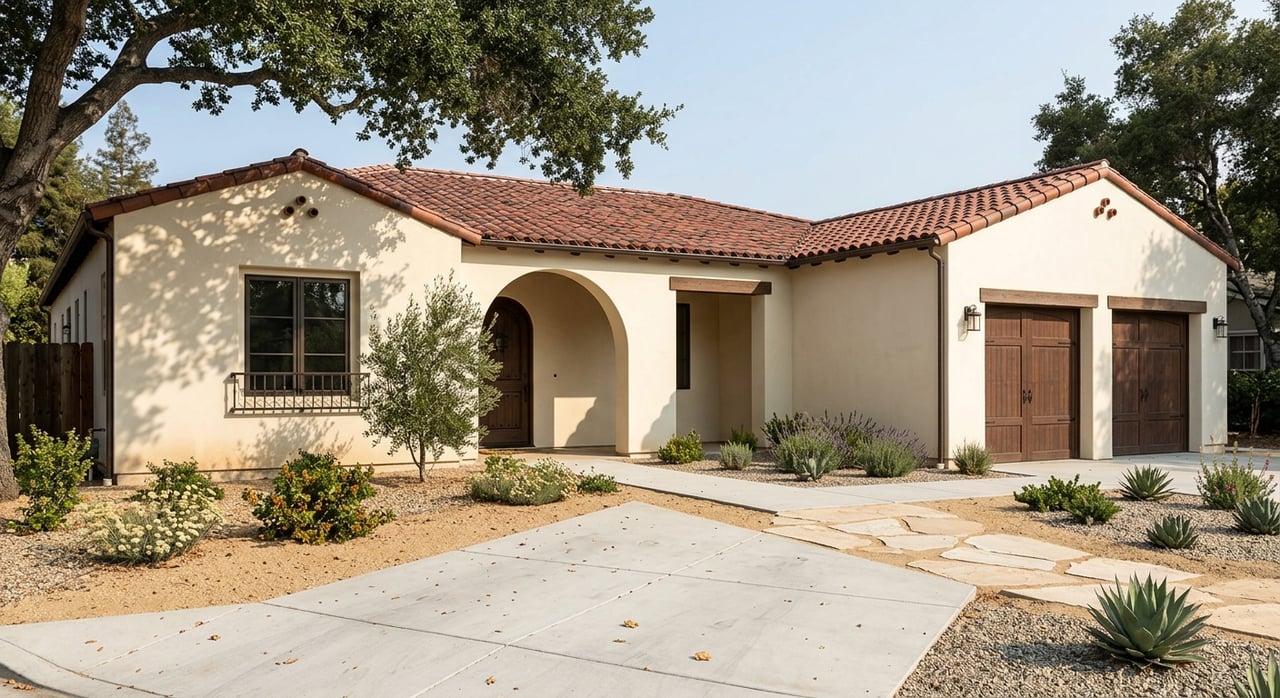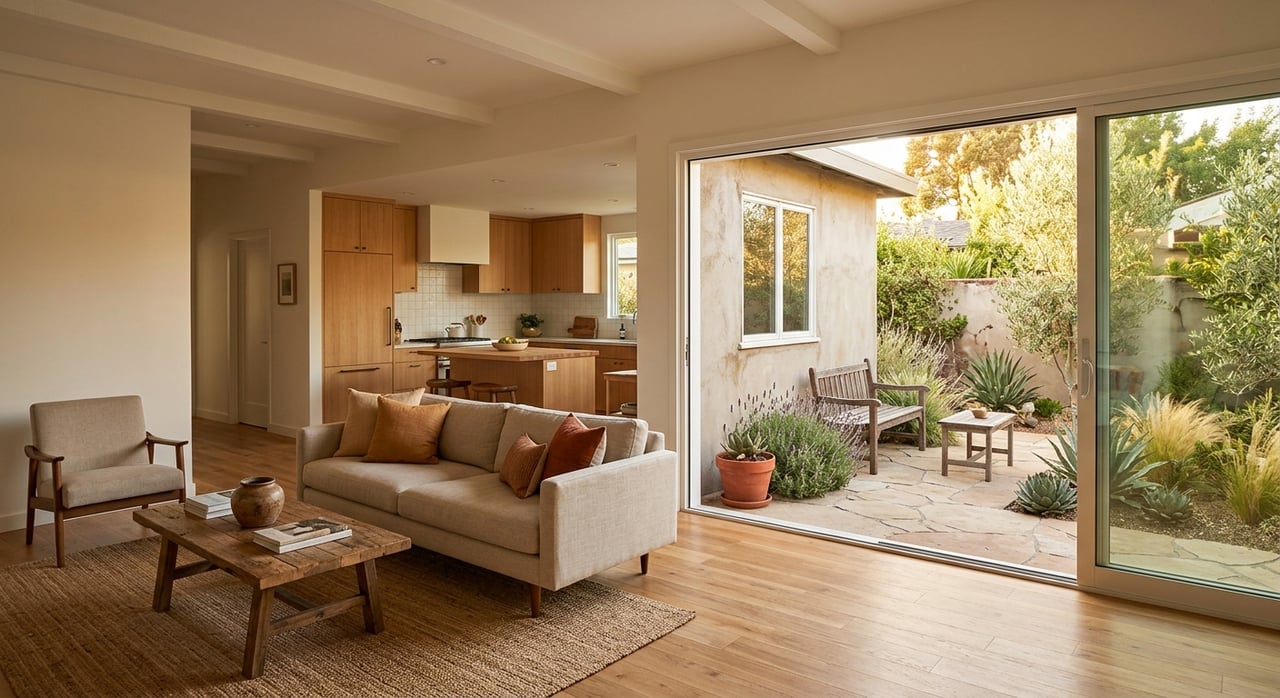
Dreaming about a place by the coast sounds easy. Buying the right second home in Pismo Beach is where things get more nuanced. If you want a getaway that fits your lifestyle, budget, and long-term plans, it helps to understand how location, rental rules, and ownership costs work here before you write an offer. Let’s dive in.
Why Pismo Beach draws second-home buyers
Pismo Beach continues to attract buyers who want a coastal escape with everyday livability. It is also a high-priced market, with recent reports showing median sale prices around $1.4 million, average home values around $1.12 million, and median list prices around $1.34 million.
That pricing matters because a second home is usually both a lifestyle purchase and a financial commitment. You are not just choosing ocean access or a weekend retreat. You are also choosing your carrying costs, future flexibility, and how much day-to-day management the property may require.
Location matters more than you think
In Pismo Beach, the ownership experience can vary a lot depending on the exact area. Two homes at similar price points can feel very different once you factor in parking, visitor traffic, design standards, and long-term upkeep.
That is one reason second-home buyers benefit from looking beyond the listing photos. The right fit often comes down to how you plan to use the home, how often you will be there, and whether you want a quieter retreat or a more active beach setting.
Shell Beach has a distinct feel
Shell Beach is described by the city as a unique beachside community on picturesque cliffs. It is often best understood as a character-driven, cliffside area where the setting is a major part of the appeal.
It also comes with neighborhood-specific design expectations. The city’s Shell Beach design standards are aimed at preserving the area’s eclectic beach-community character, which can be important if you are thinking about future exterior changes, additions, or a larger remodel.
Downtown ownership works differently
If you are drawn to downtown Pismo Beach or a home near the pier, it is smart to think through the practical side of ownership. The city manages a separate parking environment there, including paid parking and resident discount permits.
For some buyers, that close-to-everything location is the point. For others, visitor congestion and parking logistics may change how convenient the property feels during busy seasons.
Check rental plans before escrow
One of the biggest mistakes second-home buyers can make in Pismo Beach is assuming the home can help offset costs through short-term rentals. In this market, that question needs a clear answer before you move forward.
Pismo Beach has tightened its short-term rental rules. According to the city, no new short-term rental licenses are being issued as of November 7, 2023, vacation rentals are allowed only in certain zoning districts, and existing short-term rentals are limited to specific addresses.
Just as important, the city states that permits do not transfer with the sale of a property. That means a home with a past or current rental history should not be treated as automatically rentable after closing.
What to verify early
If rental income is part of your plan, make sure you confirm key details before removing contingencies. You will want to look at:
- The property’s zoning
- Whether the address has an existing eligible permit status
- Whether any city requirements apply to your intended use
- Parking details and on-site parking capacity
- Whether a local responsible party can meet the city’s distance requirement
For stays of 30 days or less, the city requires a permit, business license, and Transient Occupancy Tax certificate. The city also states that the responsible party must be located within 25 miles of the rental property.
Understand the local lodging charges
If a property is used for short stays where allowed, local taxes and assessments also affect the numbers. The city lists an 11% transient occupancy tax, a 2% lodging business improvement district assessment, and a 1.5% San Luis Obispo County Tourism Marketing District assessment.
Those costs may not matter if you plan to use the home only for yourself. But if you are running the math on occasional rental use, they are part of the real ownership picture.
Financing a second home is different
A second-home purchase is not underwritten the same way as a primary residence. Loan guidelines can be stricter, and your lender may look closely at how the property will be used.
Fannie Mae guidance says a second home generally must be a one-unit dwelling, suitable for year-round occupancy, occupied by you for some portion of the year, under your exclusive control, and not a rental property or timeshare. It also notes that some rental income can still align with second-home eligibility if that income is not used for qualifying purposes and other second-home rules are met.
For many second-home loans run through Desktop Underwriter, two months of reserves are generally required. Additional reserve requirements can apply if you already own multiple financed properties.
Monthly costs can surprise buyers
The mortgage payment is only part of the equation. In California, property tax is based on Proposition 13, with a 1% base tax rate plus voter-approved debt rates that vary by tax rate area.
In San Luis Obispo County, the assessor revalues property when there is a change in ownership or new construction. That can also trigger supplemental tax bills in addition to the regular annual tax bill.
A second home also usually will not qualify for California’s homeowners’ exemption, because that exemption applies to a principal residence. If the property is in a Special Flood Hazard Area and you are using a government-backed mortgage, flood insurance is required.
Coastal ownership needs a longer view
A Pismo Beach getaway can be a wonderful lifestyle purchase, but coastal ownership often comes with more maintenance and more due diligence than an inland property. That does not mean you should avoid it. It means you should budget and plan clearly.
The city says roughly two-thirds of Pismo Beach is in the coastal zone. Its General Plan and Local Coastal Program update includes a sea-level-rise vulnerability assessment and adaptation plan, which makes long-term coastal risk part of the conversation for buyers thinking years ahead.
Expect more exterior upkeep
Coastal conditions can be hard on buildings. FEMA’s coastal construction guidance notes that saltwater is corrosive and that coastal buildings require special consideration and continued maintenance.
For you as a buyer, that can translate into more frequent exterior inspections and a larger maintenance budget than you might expect with an inland second home. Items like finishes, hardware, and exposed exterior elements may deserve extra attention during your inspection period.
Renovation plans should be reviewed early
If you already have ideas for updates, ask about approvals early. The city states that planning approval is needed before a building application when a project changes the footprint, use, or exterior of the structure.
That is especially important if you are buying for both enjoyment and future improvement potential. A home that looks like an easy cosmetic project may involve more review if your plans affect the exterior or expand the structure.
A smart second-home checklist
Before you buy a getaway in Pismo Beach, it helps to pressure-test the property against your real goals. A beautiful home may still be the wrong fit if the location, rental rules, or carrying costs do not match how you plan to use it.
Use this quick checklist as you compare options:
- Define whether the home is mainly for personal use, future retirement, or part-time occupancy
- Confirm the exact micro-location and how it affects parking, access, and visitor activity
- Verify short-term rental rules before escrow if income matters to you
- Review expected property taxes, possible supplemental taxes, and insurance needs
- Ask whether the property may be in a flood-related risk area
- Budget for coastal maintenance and regular exterior care
- Review any remodel goals against city planning requirements
How local guidance helps
Buying a second home in Pismo Beach is not just about finding the prettiest view or the closest walk to the sand. It is about matching your purchase to the way you actually want to live, use, and maintain the property.
That is where local insight matters. When you understand the differences between Shell Beach and downtown, verify rental rules before escrow, and plan for true ownership costs, you can buy with a lot more confidence.
If you are considering a second home or getaway in Pismo Beach, Campa Real Estate Group can help you evaluate locations, compare ownership considerations, and navigate the process with clear local guidance.
FAQs
Can you use a second home in Pismo Beach as a short-term rental?
- Not automatically. The city says no new short-term rental licenses are being issued, permits do not transfer with a sale, and eligibility depends on zoning, address-specific status, and city requirements.
What should you know about downtown Pismo Beach second-home ownership?
- Downtown ownership can involve paid parking, resident discount permit programs, and more visitor activity, so parking and congestion should be part of your decision.
What makes Shell Beach different for second-home buyers?
- Shell Beach is a distinct cliffside area with a strong beach-community character and neighborhood-specific design standards that may matter if you plan future exterior changes.
How are property taxes different for a second home in Pismo Beach?
- In San Luis Obispo County, a change in ownership can trigger reassessment and possible supplemental tax bills, and a second home usually does not qualify for California’s homeowners’ exemption.
Why does coastal maintenance matter for a Pismo Beach getaway?
- Coastal conditions can be harder on exterior materials, and long-term ownership may require more upkeep, inspections, and planning than a comparable inland property.